Dry Needling in Denver: Targeted Relief for Deep Muscle Pain

Denver’s Trusted Chiropractor for Lasting Pain Relief, Not Just Temporary Fixes

⭐4.8 Stars · 144+ Google Reviews
✓Same-Day Appointments Available
📍15+ Years Serving Denver & Glendale
🛡Structural Diagnosis — Not Just Symptom Relief

Need Dry Needling?

+17208891659

Schedule Your Initial Examination

What Dry Needling Actually Does to a Trigger Point

You’ve probably been told your muscles are “tight” or you have “knots.” That’s not wrong, but it’s not the full picture either. A trigger point is a small patch of muscle fiber that’s stuck in contraction. It won’t release on its own. Blood flow gets choked off, waste products build up, and the area sends pain signals that can radiate to places you’d never expect.

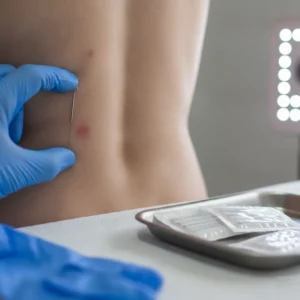
Close-up of dry needling needle inserted into lumbar back muscle during chiropractic treatment in Denver.
A filiform needle reaches the depth of a lumbar trigger point, where muscle fibers have locked into sustained contraction.

We see this every single week in our Denver office.

Someone comes in with what feels like a headache behind their eye. Turns out the real problem is a trigger point buried deep in their upper trap or the base of their skull. The pain you feel and the source of that pain are often in completely different spots.

So what does dry needling actually do? When we insert a thin filiform needle directly into that trigger point, it creates what’s called a local twitch response. That’s the muscle fiber finally letting go of its contraction. This twitch response is linked to immediate pain reduction and improved range of motion. Here’s what happens at the tissue level:

  • The sustained contraction releases, restoring normal muscle fiber length
  • Blood flow returns to the oxygen-starved tissue
  • Chemical irritants like substance P get flushed out of the area
  • The local nervous system resets its pain signaling

It’s not magic. It’s a mechanical and neurological reset that your body couldn’t do on its own because the cycle was locked in place. Patients near Capitol Hill and throughout Denver often tell us they’ve tried stretching, foam rolling, even massage for months. Those can help surface tension, they just can’t reach the deep trigger points that dry needling targets.

And here’s what surprises most people. The needle itself is incredibly thin. Thinner than the needles used for blood draws. Most patients feel the twitch more than the insertion. That twitch might be strange the first time, but it’s actually the moment things start changing. Your muscle was holding a grudge, the needle convinces it to stop.

Conditions That Respond Well to Dry Needling

You’ve been dealing with that nagging shoulder for months. Maybe your neck locks up every morning. Or your low back tightens so bad you can’t tie your shoes. We hear these stories every single day in our Denver office, and most people are surprised at how many of these problems respond to dry needling.

The technique works when tight, knotted muscle tissue is part of the problem. That covers a lot of ground. Here are the conditions where we see the strongest results:

  • Neck pain and tension headaches from desk work, driving, or poor posture
  • Low back tightness that won’t let go no matter how much you stretch
  • Shoulder and upper trap pain that radiates into the arm or between the shoulder blades
  • Hip pain caused by deep glute or piriformis trigger points
  • Plantar fasciitis and calf tightness that makes those first morning steps brutal

The person sitting in front of us has already tried massage, foam rolling, maybe even cortisone shots. Those things can help short term. But when the muscle keeps reverting back to that same locked-up pattern, dry needling gets deeper into the tissue than most manual techniques can reach.

We also see great responses in patients recovering from sports injuries around the Capitol Hill and Wash Park areas. Runners with IT band issues. CrossFit athletes with stubborn rotator cuff tension. Weekend warriors who tweaked something and can’t shake it. Dry needling produces measurable improvements in range of motion and pain reduction for musculoskeletal conditions.

Not sure if your specific problem would respond? That’s actually pretty common.

Some conditions involve nerve irritation or joint dysfunction alongside the muscle tightness. In those cases, we often combine dry needling with chiropractic adjustment or soft tissue therapy for trigger points to address the full picture. The needle handles the muscle, the adjustment handles the joint. They work together.
And here’s what matters most. You don’t have to keep living in that same pain cycle. If tight muscles are driving your symptoms, this is one of the fastest ways to break through.

What to Expect During Your First Session

You’ve been dealing with this pain long enough. Now you’re sitting in our office near Capitol Hill, and you’re probably wondering what happens next. Let us walk you through it.

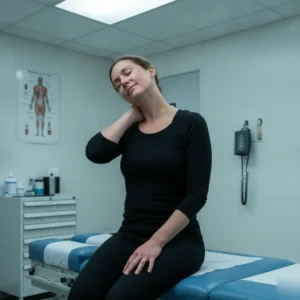
Patient seated on chiropractic table gently moving neck after dry needling treatment in Denver clinic.
Patients often notice immediate changes in range of motion following dry needling of cervical trigger points.

We start by talking. Not a rushed five-minute chat, but a real conversation about where it hurts, how long it’s been going on, and what you’ve already tried. Most people who come to us for dry needling in Denver have been through the rounds. Massage helped a little. Stretching didn’t stick. Maybe you’ve been told it’s “just tension.” We hear that story almost every day, and we take it seriously.

After we talk, we’ll do a hands-on assessment. We’re feeling for those tight bands of muscle and trigger points that are actually causing your pain. Sometimes the spot that hurts isn’t where the problem lives. A knot in your upper trap can send pain all the way into your temple. We need to find the source, not just chase the symptom.

The Needling Process

Once we’ve mapped out your trouble spots, here’s how the session goes:

  1. We clean the skin over the target area and use a thin, sterile filament needle. Much thinner than anything you’d see at a blood draw.
  2. The needle goes into the trigger point. You’ll often feel a quick twitch response. That’s the muscle releasing. It can feel strange, but most people describe it as a “good hurt.”
  3. We may gently move the needle to get a few more twitches, then remove it. The whole process for one spot takes about 30 seconds.
  4. We repeat this across your problem areas. A typical first session covers two to four zones.

Some people feel relief before they leave the table. Others notice the biggest change the next morning. And some feel a little sore for a day or two, like they had a tough workout. That’s normal.

We won’t rush you out the door. Our licensed providers will explain what we found, what we did, and what to expect over the next 48 hours. You’ll leave with a clear picture of how many sessions we think it’ll take, we find most Denver patients start feeling real progress within two to three visits.

For a deeper look at how dry needling is practiced and regulated within physical therapy, the American Physical Therapy Association’s guide to dry needling in physical therapy is a reliable resource that outlines clinical standards and practitioner qualifications.

Need help with Dry Needling?

+17208891659

Schedule Your Initial Examination. Glendale Chiropractor | Glendale Chiropractic | Back, Sciatica & Auto-Injury Care is ready to help.

How Dry Needling Fits Into a Chiropractic Treatment Plan

Here’s what we tell almost every new patient in Denver. Dry needling works when it’s not the only thing we do.

Think about it this way. If a muscle knot in your upper back is pulling your spine out of alignment, we can adjust that spine all day long. But the tight muscle keeps dragging it right back. That’s where dry needling comes in. It releases the tension so your chiropractic adjustment actually holds. We see this pattern every single week, especially with patients near Capitol Hill who sit at desks for eight or nine hours straight.

What a Combined Session Looks Like

Most people wonder how we layer these treatments together. It’s pretty straightforward:

  1. We start with a focused exam to find which muscles are locking up your joints.
  2. Dry needling targets those specific trigger points first, releasing the muscle grip.
  3. Once the soft tissue relaxes, we move into a spine adjustment or joint work.
  4. We finish with any follow-up care your body needs, whether that’s soft tissue therapy for trigger points or posture correction therapy.

The order matters. Loosening the muscle before the adjustment gives us better results, it also means less soreness for you afterward.

And this is what separates a real treatment plan from just chasing symptoms. We’re not guessing. We use tools like our advanced x-ray analysis to see exactly where your spine is misaligned. Then we build a plan that addresses the structural problem and the muscular tension around it. One supports the other.

Some patients only need dry needling for two or three sessions before their adjustments start holding on their own. Others with chronic neck pain or old injuries might benefit from it longer. There’s no cookie-cutter answer.

Not sure if combining treatments makes sense for your situation? Give us a call and we’ll walk you through it.

What we won’t do is recommend something you don’t need. Dr. Brockway holds a Colorado acupuncture license in addition to his chiropractic license, which means dry needling at this office is performed by a provider with full acupuncture training, not just a weekend certification course. Our licensed team has spent years refining this approach right here in Denver, and the goal is always the same. Get you feeling better and keep you that way.

Recovery After Dry Needling: The 48-Hour Window

Here’s what we tell every single patient before they leave our office. The first 48 hours matter.

Person applying ice pack to shoulder at home during 48-hour recovery after dry needling in Denver.
Mild soreness at needle sites is common in the 48 hours following dry needling, managed with ice and hydration.

Most people feel a deep ache in the treated area for about 24 to 48 hours after dry needling. It’s similar to that soreness you get after a hard workout. Not sharp. Not alarming. Just a dull heaviness that tells you something changed in the tissue. We see this every single week, and it’s completely normal. Your muscles just had a real reset, they need a little time to settle.

What to Do Right After Your Session

The biggest mistake people make is going straight to intense exercise. Don’t do that. Your body needs a chance to respond to the work we just did. Here’s what we recommend for those first two days:

  1. Stay hydrated. Drink more water than you think you need. This helps flush out the metabolic waste that releases from those trigger points.
  2. Apply heat, not ice. A warm towel or heating pad for 15 minutes helps blood flow to the area and eases that post-treatment soreness.
  3. Move gently. Light walking around your neighborhood in Capitol Hill or a slow stretch session is perfect. Avoid heavy lifting or high-intensity training.
  4. Pay attention. Notice what feels different. Less tension? Better range of motion? That feedback helps us adjust your next session.

Some patients feel relief the same day. Others notice the real shift around hour 36. Both are normal.

And here’s something people don’t expect. You might sleep better that first night. We hear it all the time from Denver patients who’ve been dealing with chronic tension. The nervous system calms down after dry needling, your body finally gets to rest without fighting through pain signals all night.

By day three, most of that soreness is gone. What’s left is the actual improvement. Better movement. Less tightness. A muscle that finally cooperates instead of locking up on you. If soreness lingers past 72 hours, that’s worth a call to us so we can check in. But, people feel noticeably better by the second morning.

Frequently Asked Questions

Common questions about Dry Needling in Denver

Is dry needling the same as acupuncture?

No, dry needling and acupuncture are different treatments with different goals. Acupuncture follows traditional Chinese medicine principles and energy pathways. Dry needling targets specific trigger points, those tight, knotted muscle fibers that won’t release on their own. In Denver, licensed physical therapists and chiropractors perform dry needling as part of musculoskeletal care. The needle looks similar, but the approach, training, and purpose are completely different.

How sore will I be after my first dry needling session?

Most people feel some soreness for 24 to 48 hours after their first session, similar to how you feel after a tough workout. That’s normal. Your muscle just went through a mechanical release it couldn’t do on its own. Drinking water and light movement help speed recovery. By day two or three, most Denver patients notice the area feels looser and less painful than before the session.

How many sessions will I need before I feel a difference?

Many patients feel improvement after the first or second session. Most conditions respond well within four to six visits. It depends on how long you’ve had the problem and how deep the trigger points are. Someone dealing with months of chronic neck tension will likely need more sessions than someone with a recent sports injury. We track your progress each visit and adjust as we go.

Can dry needling help with headaches caused by desk work?

Yes, and this is one of the most common reasons Denver patients come to us. Long hours at a desk tighten the upper traps and the muscles at the base of your skull. Those trigger points send pain straight into your head, often behind one eye. Dry needling releases those deep knots that stretching and massage can’t fully reach. Many patients see a real reduction in headache frequency after just a few sessions.

What should I do to prepare for my first appointment?

Wear comfortable, loose clothing that gives easy access to the area being treated. Eat a light meal beforehand, coming in on an empty stomach can make some people lightheaded after a session. Skip heavy exercise the day of your appointment. When you arrive at our Denver office, be ready to talk through your full pain history. The more detail you give us, the faster we can find the real source of your problem.

Is dry needling safe if I’ve already tried cortisone shots or other treatments?

Yes, dry needling is safe even if you’ve had cortisone shots, massage, or other treatments before. In fact, many Denver patients come to us after those options only helped short term. Cortisone reduces inflammation but doesn’t release a locked trigger point. Dry needling works at the muscle fiber level, it’s a different mechanism entirely. We’ll review your full treatment history before we start so we can build the right plan for you.

Ready to Get Started?

Schedule Your Initial Examination. Call +17208891659 today.