Denver’s Trusted Chiropractor for Lasting Pain Relief — Not Just Temporary Fixes
What’s Covered on This Page
Your surgeon says everything looks great. The imaging is clean. The incision healed. So why does it still hurt?
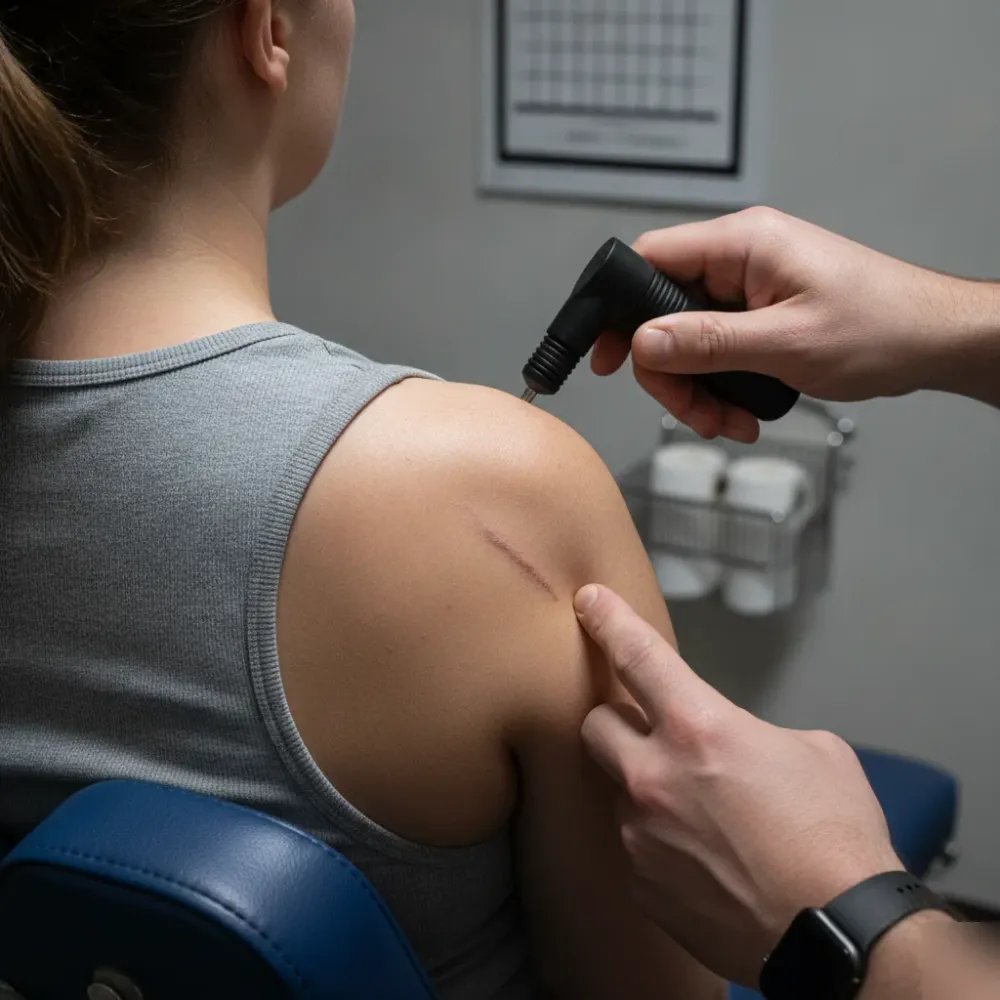
We hear this from people in Denver almost every day. They had a knee replacement, a spinal fusion, a shoulder repair. The surgical site healed on schedule. But months later, they’re still dealing with stiffness, aching, and pain that nobody can explain. It’s frustrating. And, it makes a lot of people feel like they’re going crazy.
You’re not. The pain is real, it just isn’t coming from where you think.
Surgery corrects the damaged tissue. That’s its job. But it doesn’t address what happens to the rest of your body while you compensate before and after the procedure. Think about it. If you limped for six months before a hip surgery, your spine shifted. Your muscles tightened on one side. Your pelvis rotated. The surgery addressed your hip, the rest of your body never got the memo that it’s time to move normally again.
Here’s what we typically see driving that lingering post-surgical pain:
Musculoskeletal compensation patterns are one of the most overlooked sources of chronic pain after surgical recovery. And that tracks with what we see at our office near Capitol Hill. People come in convinced something went wrong with their surgery. The surgery did exactly what it was supposed to do. The problem is everything around it.
Your body adapted to protect you. Now it’s stuck in that protective pattern. The good news is that these patterns respond well to the right kind of care, you just need someone who knows where to look beyond the surgical site.
We hear it almost every day. “My surgeon said no one should touch my spine after surgery.” And, we get it. That fear makes sense. But here’s what most people don’t realize: post-surgery chiropractic care in Denver doesn’t look anything like the adjustments you’ve seen on social media.
There’s no twisting. No popping. No sudden force near your surgical site.
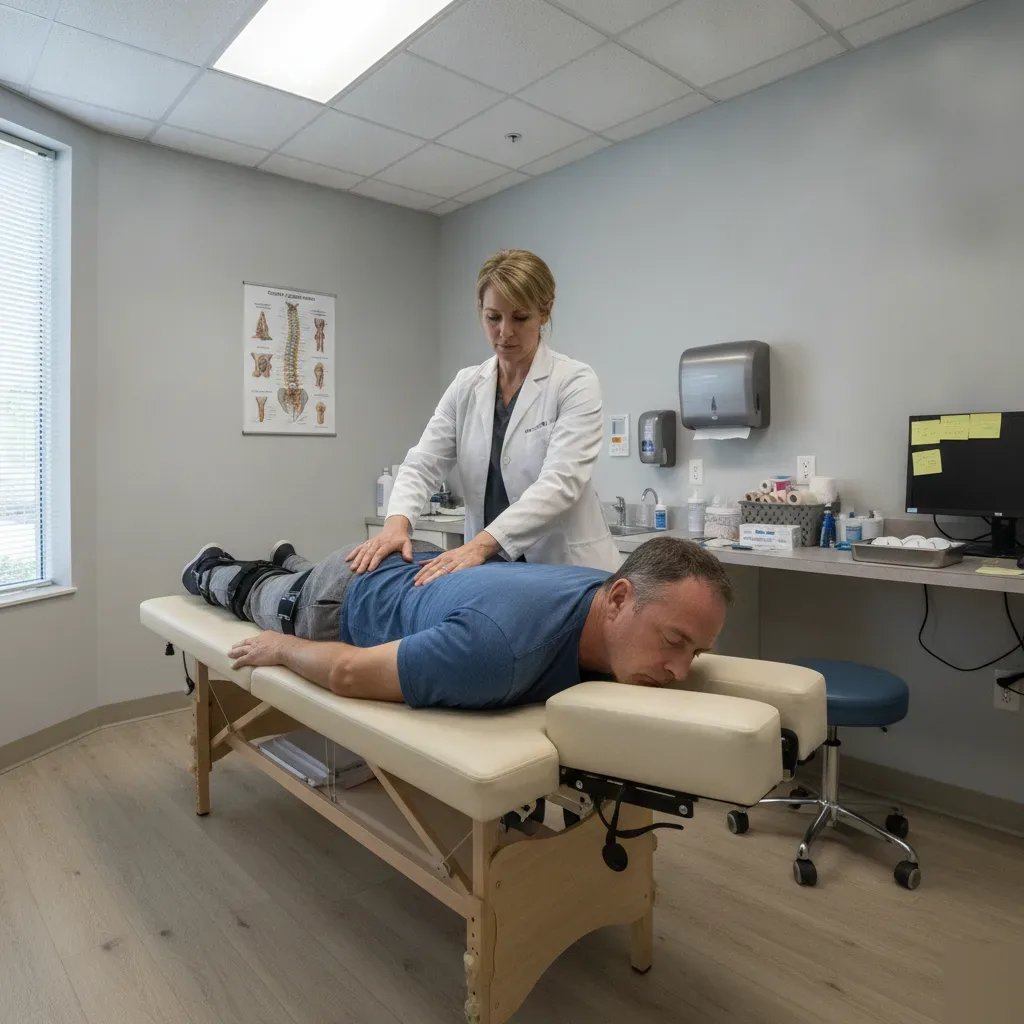
What we actually do is gentle, low-force work that respects your body’s healing timeline. We use techniques like Pain Neutralization Technique and targeted soft tissue work for trigger points. These methods don’t stress the areas your surgeon repaired. They address the compensation patterns your body built around the surgery. Gentle chiropractic methods are recognized as safe for post-surgical patients when applied by a licensed provider with proper training.
You come into our Denver office, maybe six or eight weeks after a knee replacement or a lumbar fusion. You’re stiff, you’re guarded, you’re nervous someone’s going to make things worse. We start with a conversation, not a table. We review your surgical notes, look at imaging if you have it, and map out exactly where we can work and where we won’t.
Then the hands-on part is surprisingly calm. Light pressure. Slow movements. Patients near Capitol Hill and across Denver tell us the same thing, they expected something scary and got something that actually felt like relief.
Here’s what makes our approach safe for post-surgery patients:
And we’ve been doing this long enough to know when something needs more time. That matters. Pushing too fast causes setbacks, we’ve seen patients come in after aggressive rehab elsewhere that left them worse off. Our job is to help your body recover around the surgery, not pretend the surgery didn’t happen.
So if you’ve been told chiropractic care is off the table after your procedure, that’s worth a second look. Understanding your full range of post-surgery pain treatment options can help you make a more informed decision about what kind of care is right for your recovery.
You’re probably wondering if someone’s going to twist you around on a table. That’s the number one concern we hear, and the answer is no. Not even close.
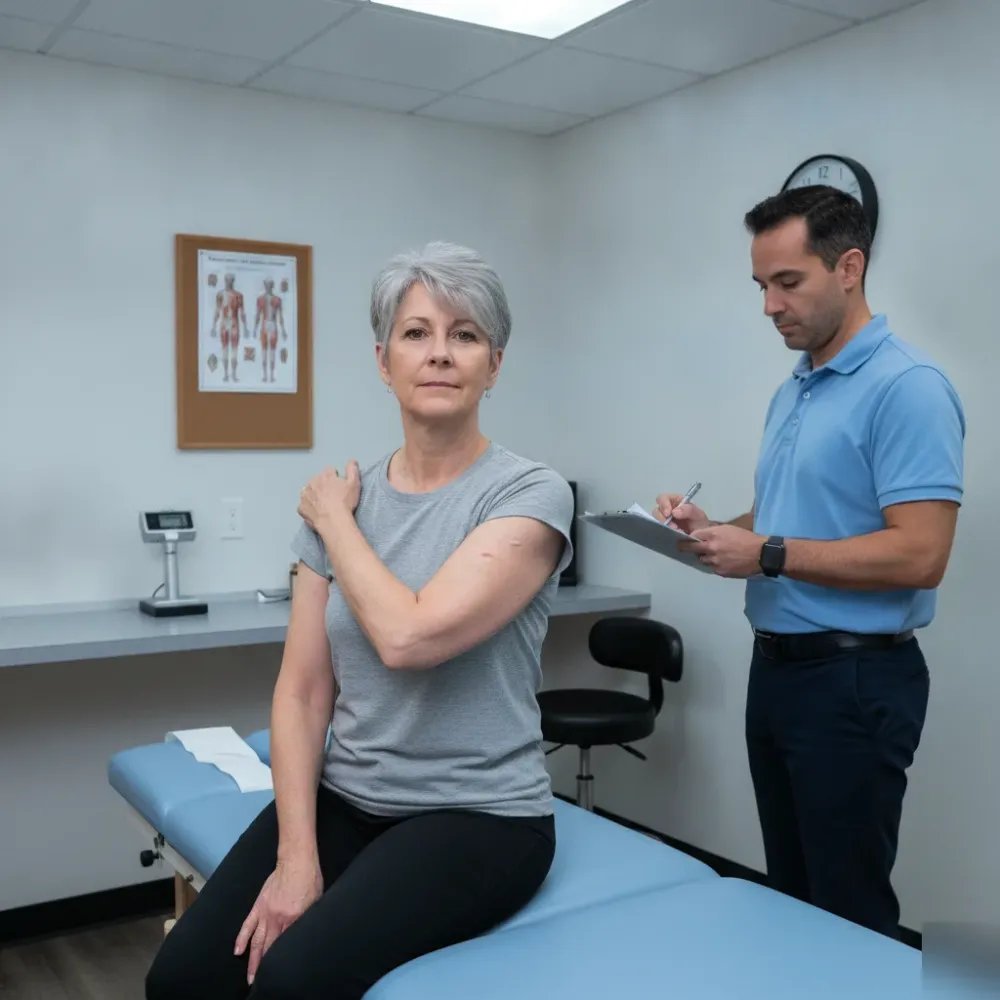
Your first visit with us in Denver is mostly about listening. We want to know what surgery you had, how long ago, what your surgeon said about recovery, and where you’re still hurting. We look at your surgical records and any imaging you bring. If we need a clearer picture of what’s happening structurally, we can refer you for additional imaging. Or even do an advanced x-ray analysis of your current images right here in our office.
Here’s what the visit usually looks like step by step:
People are surprised by how gentle everything is. We’re not cracking and popping a spine that just went through surgery. Our licensed team uses low-force techniques that respect what your body has already been through. Patients coming to us from the Capitol Hill area or across Denver tell us the same thing. “I didn’t expect it to be that easy.”
And we won’t push you. If your body isn’t ready for hands-on work yet, we have other tools. Laser therapy for inflammation, traction therapy for neck and back, even red light therapy can help calm things down before we do any manual adjustments.
The whole first visit takes about 30 minutes. You’ll leave knowing exactly what’s going on and what comes next. No guessing, no pressure.
Want to see if we can help with your recovery? Give us a call.
Need help with Post-Surgery Pain Relief Chiropractic?
Schedule Your Initial Examination. Glendale Chiropractic is ready to help.
Your body after surgery isn’t the same body it was before. Scar tissue forms differently. Muscles guard and tighten around the surgical site. Joints that weren’t even part of the procedure start compensating. So the techniques we use have to match where your body actually is right now, not where it was six months ago.
We never use the same approach on a post-surgical patient that we’d use on someone walking in with general back stiffness. That would be reckless. Every technique we choose is low-force and specific to healing tissue.
Here’s what a typical session might involve depending on your surgery and recovery stage:
We layer these together based on what your body tells us each visit. Some days you’ll tolerate more. Some days we pull back. That’s normal, it’s actually how real recovery works.
Patients coming to our Denver office after surgery are surprised by how gentle everything feels. They expect cracking and twisting. What they get is careful, controlled work that respects the healing process. Patients from Capitol Hill to Montbello tell us the same thing. “I didn’t know chiropractic could be this gentle.”
And that’s the point. Post-surgical tissue needs precision. Not force. Our team holds advanced training in working with compromised structures, and we coordinate with your surgeon’s protocols so nothing conflicts with your recovery plan. You’ve already been through enough. The last thing you need is an aggressive approach that sets you back.
You’ve been through surgery. You’re doing the work. But how do you actually know things are getting better? “It feels a little less stiff” isn’t enough to build a recovery plan around. We need real numbers.
That’s why we rely on tools like DynaROM Motion Study and Advanced X-Ray Analysis to track your progress after surgery. These aren’t guesswork, they’re objective measurements that show us exactly how your body is responding to care. We use them before your first adjustment and at key checkpoints throughout your recovery.
A lot of patients come to our Denver office expecting us to just ask how they feel. We do that too. But feelings change day to day. What doesn’t change is the data. Here’s what we look at:
This gives us a clear picture. And it gives you something concrete to see. Patients near Capitol Hill and across Denver tell us all the time that seeing their own progress on screen made everything click. It stopped feeling like they were just hoping for improvement. The body heals in layers, your nervous system catches up later.
So we don’t guess. We measure, adjust the plan, and measure again. If something isn’t moving in the right direction, we catch it early. Maybe we add focused trigger point work. Maybe we shift the focus to traction therapy for the neck and back. But every decision comes from data, not assumptions.
Patients who can see their own numbers stay more consistent with their visits. That consistency is what drives real results after surgery.
Common questions about Post-Surgery Pain Relief Chiropractic in Denver
Yes, chiropractic care after spinal fusion can be safe when done with the right low-force techniques. We never adjust directly at the surgical site. Instead, we work on the compensation patterns your body built around the surgery. We review your surgical notes and coordinate with your surgeon’s restrictions before we touch anything. Many patients in Denver come to us six to twelve weeks post-fusion and leave feeling better than they expected after just a few visits.
Most patients are ready to start gentle chiropractic work six to eight weeks after surgery. The exact timing depends on your procedure and your surgeon’s clearance. A knee replacement, hip surgery, or lumbar fusion each has a different healing timeline. We always review your discharge paperwork before your first visit. Starting too early can cause setbacks, but waiting too long lets compensation patterns get more stubborn and harder to unwind.
Clean imaging means the surgical site healed. It doesn’t mean your whole body healed. If you limped or guarded yourself for months before and after surgery, your spine shifted, your muscles tightened, and your pelvis may have rotated. Those patterns don’t fix themselves. We see this constantly in Denver, the surgery did exactly what it was supposed to do, but the surrounding structures got stuck in a protective pattern. That’s what we treat.
Bring your surgical records, discharge paperwork, and any imaging you have, X-rays or MRI reports are helpful. If you don’t have copies, that’s okay. We can work with what you have and request more if needed. Wear comfortable clothes you can move in. Your first visit is mostly a conversation and a gentle movement assessment. Nothing aggressive happens without your full understanding and agreement first.
It can. Denver’s altitude and low humidity can affect tissue hydration and inflammation, which may make joint stiffness feel worse during recovery. Dehydrated tissues are less pliable, and that can slow how quickly scar tissue responds to soft tissue work. We factor this in when planning your care. Staying well-hydrated matters more here than most patients realize, and it’s one of the simple things we talk through with every post-surgery patient we see.
Scar tissue forms as your body repairs the surgical area. It’s tougher and less flexible than normal tissue. Over time, it can pull on nearby muscles and restrict normal joint movement. This is one of the most common reasons people still hurt after their surgeon has cleared them. Targeted soft tissue work and gentle mobilization can break up those restrictions. You don’t have to just live with it, it responds well to the right kind of hands-on care.
Schedule Your Initial Examination. Call +17208891659 today.